We’re willing to bet we’re not the first to see it. You’ve caught it too, right? After all, how else can a phrase stick around year after year, popping up in popular chatter?
**Fair Warning: This edition’s downright detailed. Best read on a laptop. **
A ton of articles address feedback from hell with quick fixes, yet we’re more interested in peeling back the layers to see why clients default to this phrase and what it says about the creative process.
You know how it goes. You’ve spent 47 hours sculpting the perfect design, colors in harmony, typography so crisp, and whitespace placed with surgical precision.
Then they walk in.
Your client, yes, that stakeholder who still thinks Comic Sans is “fun and approachable”. They lean in, squinting like they’re decoding hieroglyphics, tilt their head at that exact 4.7-degree angle (yes, someone measured it), and deliver the ultimate critique:
“Can you make it… pop?”

It’s the feedback equivalent of a ninja dropkick! Vague, incendiary, and somehow both terrifying and oddly affectionate.
Here’s something no one ever mentions: THE ORIGIN OF CREATIVE PANIC
Language lives within hierarchies of gender, sexuality, socioeconomic status, and creative status. Your client is terrified. They’re in the most vulnerable position possible, about to judge something they could never create themselves.
So they fall back on what anthropologists call a classic power preservation move. Instead of risking exposure by saying “the blue feels too muted,” they opt for maximum authority with minimum risk: MAKE IT POP.
That single word does some serious psychological heavy lifting. “Pop” is onomatopoeia - thanks to Shashi Tharoor’s vocabulary, and it triggers sound symbolism in our brains. The moment we hear it, our neural pathways light up with associations of sudden, bright, attention-grabbing explosives.
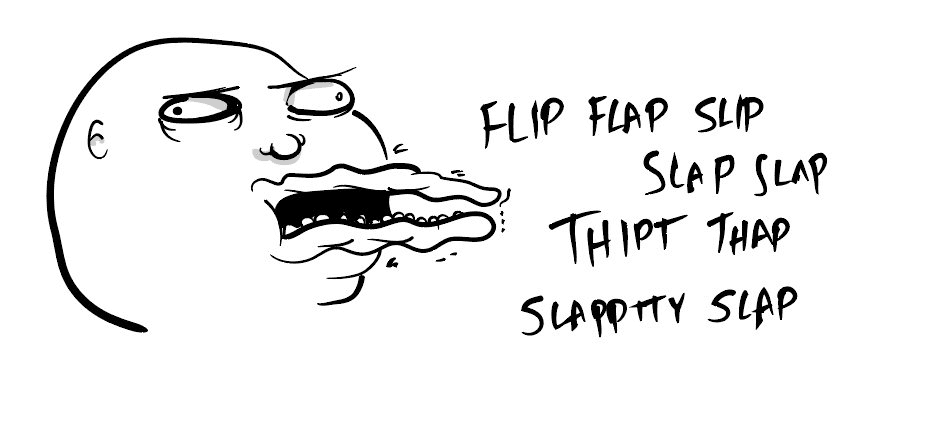
Your client is literally asking you to make the design sound different because they can't articulate how they want it to look different.
Ever tried explaining chocolate to someone who's never tasted it? You end up saying it's "sweet and rich and... you know... chocolatey." Same energy.
THE WEIRDEST PART? We’re all guilty of this in reverse. How often have you pointed at a menu and said, “That looks good,” without learning what “aioli” means?
Your client is doing the same with your design: “That looks good, but make it look more good.” That right there is basically the entire creative brief for everything ever made.
This is what psychologists refer to as the CURSE OF KNOWLEDGE IN REVERSE. You know so much about design that you can't fathom someone not understanding contrast, hierarchy, or visual weight. They know so little that they can't imagine their feedback isn't crystal clear.
But THE LINGUISTIC EVOLUTION OF PROFESSIONAL NONSENSE didn't just happen overnight.

This phrase has a dark, twisted backstory.
Back when dinosaurs roamed and designers measured with real rulers, “pop” meant something precise: true contrast, genuine color saturation, technical terms only experts used.
Then the internet happened. Overnight, everyone became a self-proclaimed design expert. Marketing managers thought Photoshop was an actual photo shop. CEOs insisted that great design meant making every logo as big as possible.
Product leads tossing “innovative” and “disruptive” into every line without a trace of irony. These brave souls could sense when something looked off, but explaining why required a vocabulary they’d never learned.
So they dug “pop” out of the design graveyard and turned it into the linguistic equivalent of duct tape; ugly, but it sticks.
YOUR BRAIN VS. THEIR BRAIN: A SCIENTIFIC SHOWDOWN
Neuroscientists say aesthetic judgment fires faster than you can say “that looks terrible.” The moment your client sees your design, their anterior cingulate cortex.), responsible for emotional reactions to visuals, lights up.
In milliseconds, their brain knows something’s off. But translating that gut feeling into words? That’s like trying to explain TikTok to your grandmother. It could happen, but everyone suffers.
So their brain takes a shortcut, bundling all that aesthetic anxiety into three tidy words that sound professional but demand zero technical know-how: “Make it pop.”
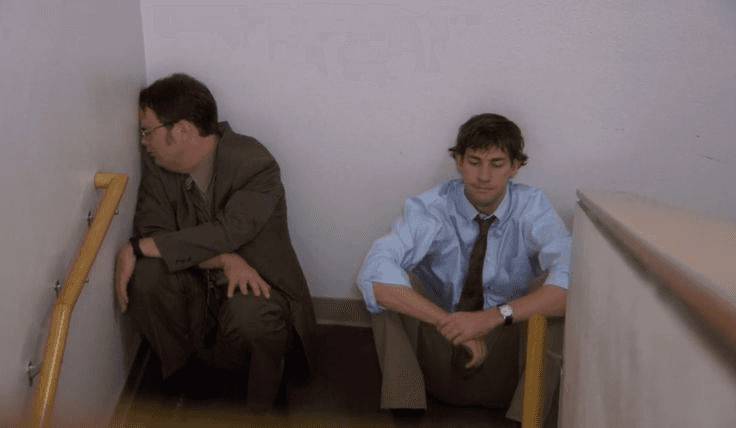
And yet, “Make it pop” is both the MOST INFURIATING AND ODDLY HEARTWARMING FEEDBACK you’ll ever hear.
Infuriating because it’s as useful as a horoscope telling you to “follow your heart” when you’re starving. Heartwarming because it’s basically a mushy love note to your skills: “I have no clue what I want, but I trust you more than Google to figure it out.”
In other words, they’re handing you their gut feeling wrapped in terrible wrapping paper and whispering, “Unpack this mess and make magic, thankyouverymuch.” 😮💨
Notice how “Make it pop” is also a masterclass in CODE-SWITCHING
In the boardroom, your client sounds all professional and design-literate. Later, when they text their partner, it’s “had to tell the designer their thing looked boring lol.” Same person, two very different languages.
One wrapped in corporate polish, the other raw and candid. It’s just another way they adapt their words to fit the moment, trusting you to translate both versions into something that actually works.
Now the real fun begins: THE FEEDBACK LOOP FROM HELL.
The second you hear “Make it pop,” your designer brain goes into overdrive: More contrast? Turn up the colours? Shift the hierarchy? Blow up the font? Shrink the font? Swap to a new typeface? Every typeface!!? You churn out half a dozen mock-ups, present your options, and when they finally pick one, it feels like victory.
The client walks away convinced they gave precise direction. You walk away thinking you cracked their secret code. In truth, it’s like trying to (CANT THINK OF ANYTHING TO PUT HERE)
The universe has a wicked sense of humour.
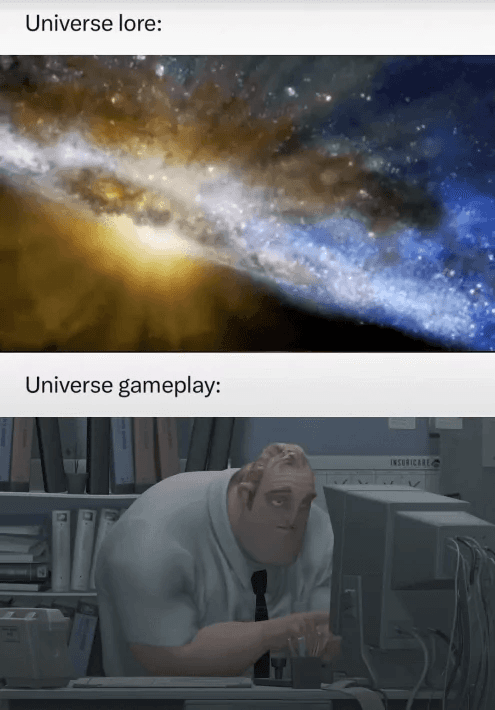
Psychologists call this motivated reasoning. You chase every hunch, make educated guesses, and more often than not land on a tweak that actually makes the design better. The client walks away feeling triumphant.
But here’s THE UNCOMFORTABLE TRUTH: “Make it pop” might be the most honest thing your client has ever said.
They’re admitting they have no clue how to fix what they’re seeing. They’re handing you the reins, acknowledging you as the expert, trusting you to turn their aesthetic panic into visual solutions.
It’s not a spiteful demand, it’s simply the world’s worst packaging for a perfectly reasonable ask: “This needs more visual oomph, and I trust you to figure it out.”
Got war stories about feedback that made you question reality? Drop them below.
Like what you see?