Hey, we're Social Kiwi. We make brands and creative stuff that orbit them. Weird, useful, and occasionally a little too honest.
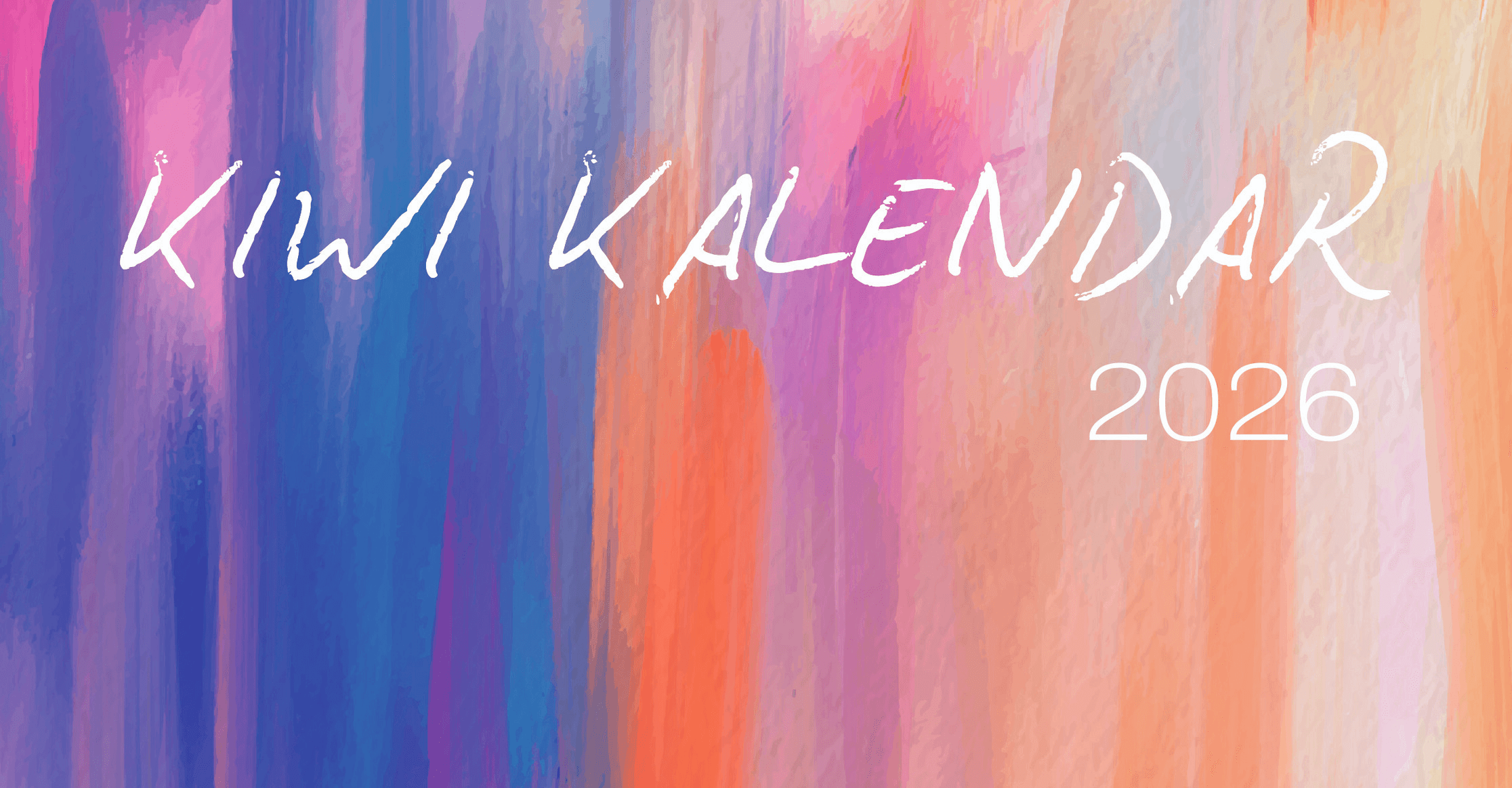
One of our annual rituals is making a calendar. It's the nicest PR you can send. People keep it at arm's length and judge your typographic choices for 12 months.
This year, _Kiwi Kalendar 2026 _brainstorm? It spiraled. Hard.
So, let’s rewind. To the real question: why are we all still relying on a 300-year-old color hack to make sense of design today?
Design in 2026 moves fast. You can generate logos instantly, A/B test everything, let AI handle most of the heavy lifting. It's efficient. It works. But when every choice can be optimized, you can tweak your way to good enough, but memorable? That’s rare.
Color is one of the few exceptions.
It hits people before they think. Red spikes your pulse. Yellow demands attention. Point is, color operates below conscious thought, which is why it’s harder to reduce to a formula.
The debate around it isn’t new.
The color wheel everyone uses started as Newton's crazy idea in 1704. He had already mapped the spectrum as a straight gradient from red to violet (prism, remember?) Then, in Opticks, he arranged that gradient into a circle and put red next to violet because he believed the two ends resonated like musical intervals.
That single decision rewired how artists thought about relationships between colors. Goethe expanded the emotional aspect of it. Itten turned it into a system for teaching composition. By 1900, everyone was using it.
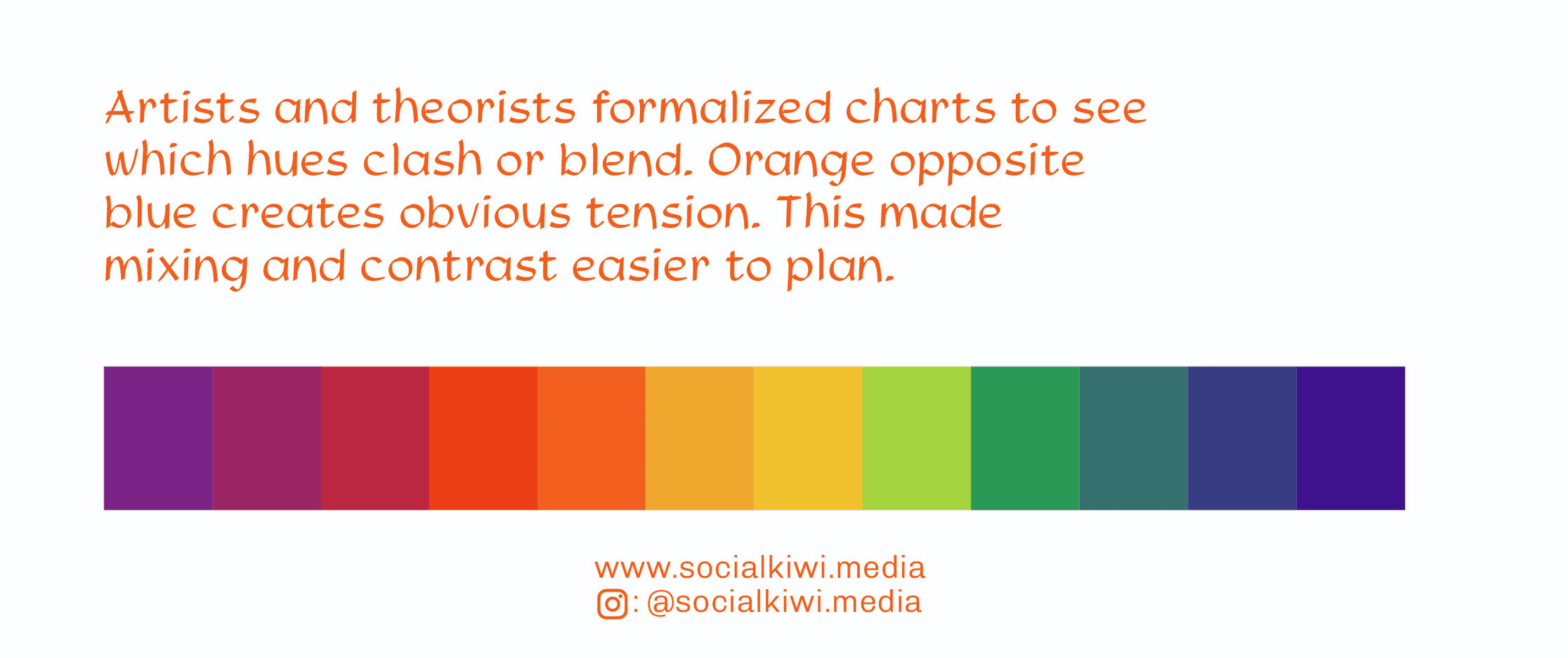
What’s even stranger is how many “common” colors weren’t natural discoveries at all.
Cyan exists because printing needed an ink set that balanced cost with range. It's not natural blue-green; it's a printable version. Mauve came from an 18-year-old chemist who tried (and failed) to create synthetic quinine. Within ten years, one lab mistake later, and Queen Victoria was wearing it. Chartreuse became the unofficial color of “futurism” in the 1980s largely because it looked artificial. Fluorescent pigments signaled technology, so designers leaned into it.
None of this was inherently meaningful. They rose as it was cheap enough to mass-produce.
Take blue. For centuries, it was one of the hardest pigments to produce. Lapis lazuli came from a single region in Afghanistan and was more expensive than gold, so artists used it sparingly and only for their most important subjects.
Prussian blue changed that in the early 1700s. Another mistake, but it made blue affordable and stable, and suddenly the color dominated painting, from Hokusai to Van Gogh. Synthetic indigo pushed it further into everyday life: uniforms, workwear, denim.
Then came screens. RGB made blue a core building block of digital interfaces, and tech companies adopted it so consistently that it became visual shorthand for reliable. In a 2025 Adobe survey, more than half of consumers associated blue with trust.
What feels obvious now is the outcome of availability, technology, and repetition over a few hundred years.
Oh, and some colors literally killed people.
Napoleon might’ve died because his bedroom was painted the wrong shade of green. Not a metaphor. His wallpapers were painted with a green so toxic that humidity could turn it into poison gas. Whether that’s what killed him or not, it definitely wasn’t doing him any favors.
Dangerous interior design is a wild legacy, and that era was full of it.
Lead white was great for portraits, terrible for the painters. Vivid green dyes filled homes with color and, quietly, sickness. Uranium yellows made ceramics shine and exposed entire workshops to radiation.
Anything that delivered the perfect color stayed in use. Color didn’t just influence people; it cost them.
So where does that leave us in 2026?
Design's chaotic right now. That same Adobe survey found half of consumers pick one brand over another based purely on color.
Paint companies couldn't agree on 2025's color of the year. Some went reddish-brown, others soft blue-green, and one chose bold blue. An interior designer called it, "The mood is uncertain. Colors are all over the place."
That's exactly where we are. Nobody's sure what comes next. But color keeps mattering.
There’s the classic RYB vs CMY controversy. Technically, you can’t get bright pink from red, or a vibrant green from yellow and blue. Artists know this, yet we teach the old wheel.
We have AI palette generators, tools that simulate how colorblind users see designs, and access to millions of precise hues, using the same wheel.
Three centuries on, it’s still the framework we navigate by because it’s simple, familiar, and useful.
Which brings us back to the calendar.
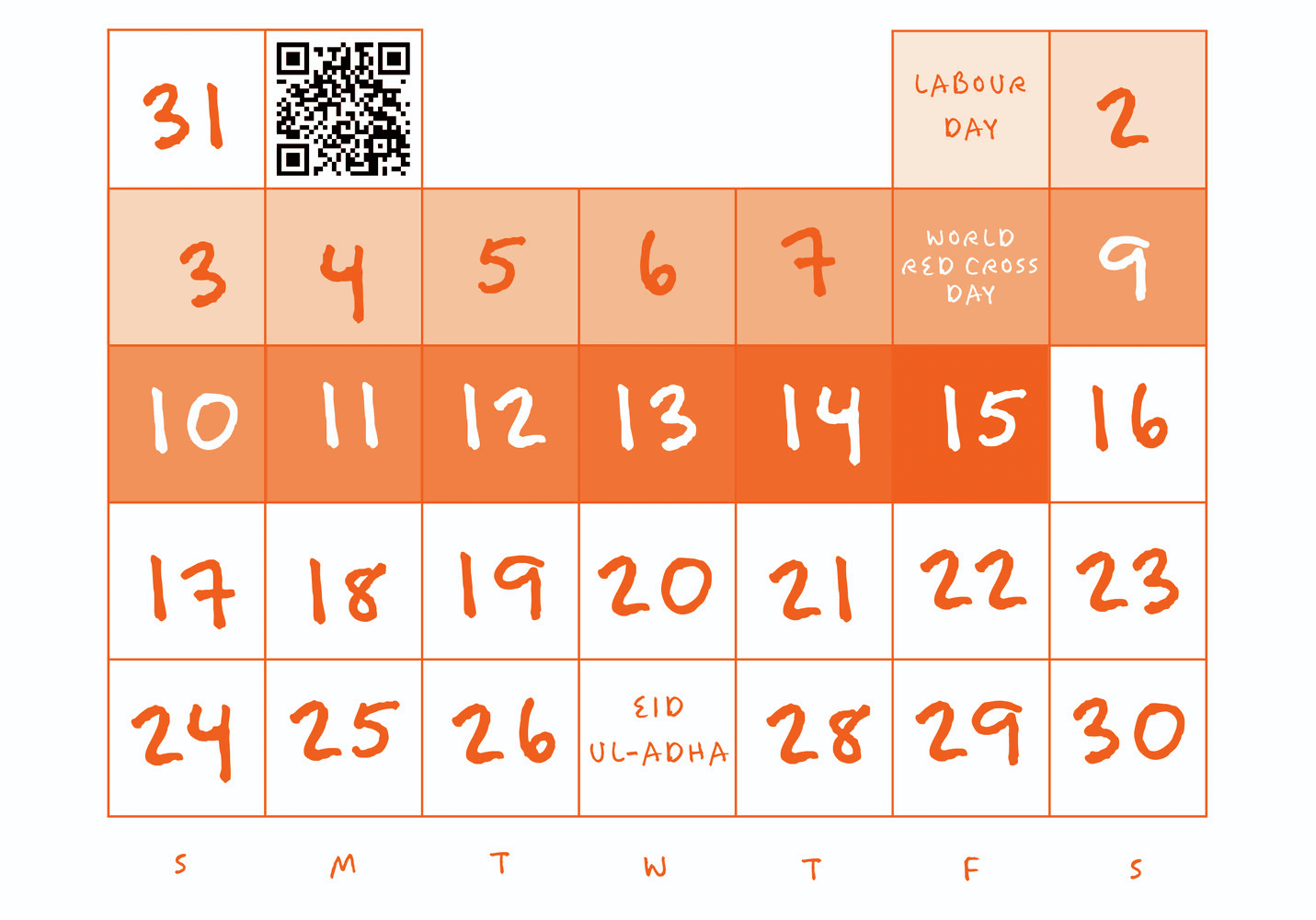
Twelve months. Twelve colors. One full loop around the wheel. Each month covers one piece of the story.
We could've gone easy on our brains and timeline, but staring at a calendar for 12 months should mean something. Make us pause, notice things we normally take for granted.
In 2026, with every tool imaginable and more data we can sense, the parts of design that will make the most difference are the ones you can’t systematize.
Limited run. Get yours now.
**Reserve your calendar here. **_This part’s boring, but hang on. Two things. That’s all we need. _
Like what you see?